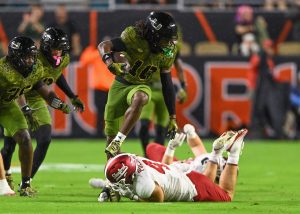
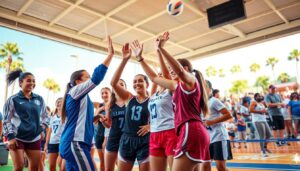
What is the special kind of poetry or sleep deprivation that comes with away games? You leave your own palm trees for a distant field’s bright lights.
The data shows a story of movement. In the 2026 flag football season, 32 teams from Southwest Florida will travel. Our region is also seeing a hockey boom, with the Gulf Coast leading the way.
This isn’t just sports. It’s a mobile culture. It’s about carrying your region’s spirit in a bus or van, mixing Slap Shot and National Lampoon’s Vacation with more sunscreen and playbooks.
Why does this effort matter? Winning on the road is a big achievement, as highlighted in away games where teams prove their resilience.
Let’s look into the details, the stories, and the hard work of representing Southwest Florida on the road.
The Logistics of Traveling Teams
Getting a high school sports team around Southwest Florida is a big deal. It’s not just a simple bus ride. The area covers ten counties, with different landscapes and cities.
Coordinating travel teams here is like solving a puzzle. Teams like the North Fort Myers Red Knights have to travel far. They go from Charlotte to Collier, DeSoto to Sarasota, facing many challenges along the way.
There’s a lot to do. You need to book buses and hotels, manage meals, and make sure everyone gets where they need to go. It’s a big job.
Winning in sports starts with winning in logistics. Championships are won in Google Sheets shared at midnight, not just in the final minutes of play.
Every county has its own challenges for travel teams. Glades County is rural, while Cape Coral is suburban. Each area requires different strategies.
| County Type | Transportation Challenge | Typical Cost Factor | Team Example |
|---|---|---|---|
| Urban (Lee, Sarasota) | Traffic congestion, multiple pickup points | Higher bus rental fees, parking costs | North Fort Myers High |
| Suburban (Charlotte, Collier) | Longer distances to major venues | Fuel surcharges, toll roads | Parrish Community High |
| Rural (Glades, Hardee, DeSoto) | Limited charter options, remote locations | Overnight stays almost always required | DeSoto County Bulldogs |
Traveling teams face big costs. A trip from Hendry County to Manatee County isn’t cheap. It includes hotel stays, meals, and even official fees. Parents often drive, and teams fundraise to cover expenses.
Time is also a big investment. Away games can take up an entire Saturday. Coaches and parents work hard to make it all happen.
Despite the challenges, teams grow closer. The long bus rides and hotel stays build bonds. For travel teams in Southwest Florida, the journey is as important as the destination.
So, next time you see a score from an away game, think about all the work behind it. The miles driven, meals planned, and logistics managed. That’s where the real victory often lies.
Stories From the Road: Athlete Experiences
Numbers tell part of the story, but the real tales are in the blunders and triumphs. I’ve heard these stories. They show the human side, beyond any spreadsheet.
Take Dominic Zuelch, playing adult rec league hockey. His quote is simple yet rich: “It’s good hockey. You’re playing hockey in the sunshine…” It’s more than a game; it’s a lifestyle upgrade.
Scott Redfern, 68, is competing and traveling. “I’m 68, and because I’ve played so many years competitively…” He shows that the competitive fire never fades. It’s a lifelong passion.
Florida’s youth hockey has grown by 73%. This isn’t just a number. It’s a new generation embracing the sport.
The road teaches team dynamics. You bond over bad food and inside jokes. It’s where you learn to perform under new lights.
These experiences shape athletes in ways home games can’t. The camaraderie is deeper, forged in travel and early mornings. It’s more than playing a sport; it’s living it.
For every athlete, travel is the real lesson. Wins and losses are just the final test. The real learning happens in the moments in between.
So, when you see a score from an away game, look beyond it. The real story is in the miles, jokes, and personal battles. That’s where character and love for the game are built.
Major Tournaments and Regional Success
Forget the practice fields; the true test of Southwest Florida’s athletic health is under the bright lights of regional championships. This is where theory meets reality. Here, depth charts get stress-tested, and a region’s reputation is stamped. The payoff isn’t just in points—it’s in hardware.
The report card from the scholastic side is fascinating. Look at flag football. The data shows a region with a deep and fiercely competitive middle class. North Fort Myers leads the Class 3A pack with a 52.19 rating. But the real story is the crowd behind them. Six of the state’s top ten Class 3A teams call this area home.
What does that mean for tournament play? It means every local game is a brutal playoff simulation. Teams are forged in a crucible of familiar, high-level competition. When they travel for a regional championships, they’re not intimidated by the stage. They’ve seen it all season long.
Now, flip the channel to the ice. The contrast is almost absurd. While high schools battle in a fierce but polite democracy, the professional and minor-league hockey scene is a straight-up dynasty. The Florida Everblades, playing out of Estero, have turned a minor-league market into a powerhouse with three consecutive Kelly Cups.
Up the road, the Florida Panthers secured back-to-back Stanley Cups, cementing the state as an unlikely but undeniable hotbed of hockey. This isn’t just winning; it’s a cultural meme. As Panthers coach Paul Maurice noted, winning “gets to be cool.”
This creates a powerful trickle-down economics of cool for youth sports. When kids see championships won in their backyard, aspiration becomes visceral. The goal isn’t just to participate in tournament play; it’s to win the ones that matter. The region isn’t just learning how to compete—it’s learning how to win when the pressure is highest.
So, the Southwest Florida model is a split-screen success story. On one screen, you have a broad base of scholastic talent, honed through internal rivalry, perfectly primed for a deep run in any regional championships. On the other, you have a top-down culture of professional winning that sets an impossibly high bar. Together, they create an ecosystem where success in major tournaments isn’t a hope. It’s an expectation.
Preparing for Out-of-Town Games
Getting ready for an away game is a big deal for young athletes in Southwest Florida. It’s like a secret mission. They need to get their bodies and minds ready before the game even starts.
First, there’s the physical part. Kids train hard at places like The Hockey Lab in Bonita Springs. They use top-notch equipment and get coaching from the pros. It’s like training for the big leagues.
But the real challenge is in their heads. How do you prepare a 14-year-old for the loud rival locker room? Or the quiet bus ride home after a loss?
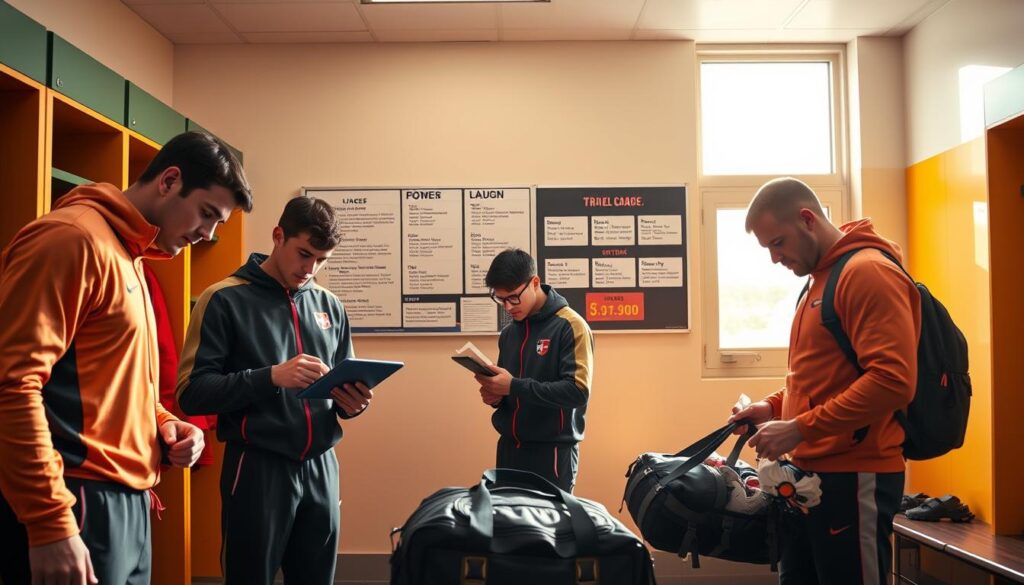
Coaches today are like superheroes. They manage everything from wake-up times to emotions. They aim to make their teams adaptable, not just winners.
The best teams don’t just show up. They’re ready to go. They bring their own routine, like a special song or handshake. This makes any gym feel like home.
This is the art of traveling for sports. It’s about being in control when you’re not at home. Teams that get this do more than win. They build skills for life.
| Preparation Pillar | The ‘What’ (Action) | The ‘Why’ (Outcome) |
|---|---|---|
| Physical Conditioning | High-intensity, sport-specific training at advanced facilities like The Hockey Lab. | Builds muscle memory and game-ready stamina that performs under travel fatigue. |
| Nutrition & Hydration | Pre-planned meals and strict hydration schedules, even when only fast food is available. | Prevents energy crashes and maintains cognitive function for critical in-game decisions. |
| Mental Rehearsal | Visualization exercises for unfamiliar venues and simulated high-pressure scenarios. | Reduces game-day anxiety and allows athletes to access trained skills under stress. |
| Logistical Protocol | Meticulous checklists for gear, travel documents, and synchronized team schedules. | Eliminates pre-game distractions, allowing total focus on the competition itself. |
So, the next time a Southwest Florida team wins big on the road, remember it’s not just the final shot. It’s the hard work before the game. That’s what makes them champions.
Parental and Community Support
Behind the cheers and trophies, the real power of youth sports lies in the parent-volunteer-industrial complex. It’s not just about the game plans; it’s about the miles driven and the emotional investments made. In Southwest Florida, this is more than a hobby; it’s a thriving ecosystem.
Hockey in the area has seen a huge growth, with over 950 adults in recreational leagues. This isn’t just about old athletes having fun. It’s about parents, local businesses, and dentists supporting the teams. Their efforts are a big investment in the local sports scene, helping travel teams thrive.
This support creates a cycle of success. When a pro team like the Florida Everblades wins, the whole town celebrates. This pride boosts the entire sports system, making it easier to support the next generation. A town that cheers for a championship is more likely to back a youth team’s national trip.
This support means more than just cheering. It means money for extra tournaments, hotel rooms, and coaches. It makes dreams of tournament success a reality. For parents, tips on making the most of tournament weekends are invaluable.
Yes, there’s the famous “hockey parent” intensity. But at its heart, this network of support is what powers the machine. It’s what drives regional competition and makes road-game victories possible for young athletes.
Team-Building on the Road
Forget the ropes course; the ultimate crucible for team chemistry is a shared hotel keycard and a tournament bracket taped to the bus window. The most transformative bonding doesn’t happen in a seminar room. It happens in transit.
Tournament play manufactures a kind of accelerated intimacy. You’re stripped of home routines and familiar distractions. The group is thrown into a bubble of shared, high-stakes experience. Inside jokes are born at the 24-hour diner. Silent understandings form during long bus rides through the night.
This isn’t just theory. Coaches like the Everblades’ Brad Ralph see it as foundational. The culture that fuels a pro roster often “bleeds into the pro ranks” from these very journeys. The road is the pressure cooker where a team’s identity is sealed. It’s where you learn who you’re really playing for.
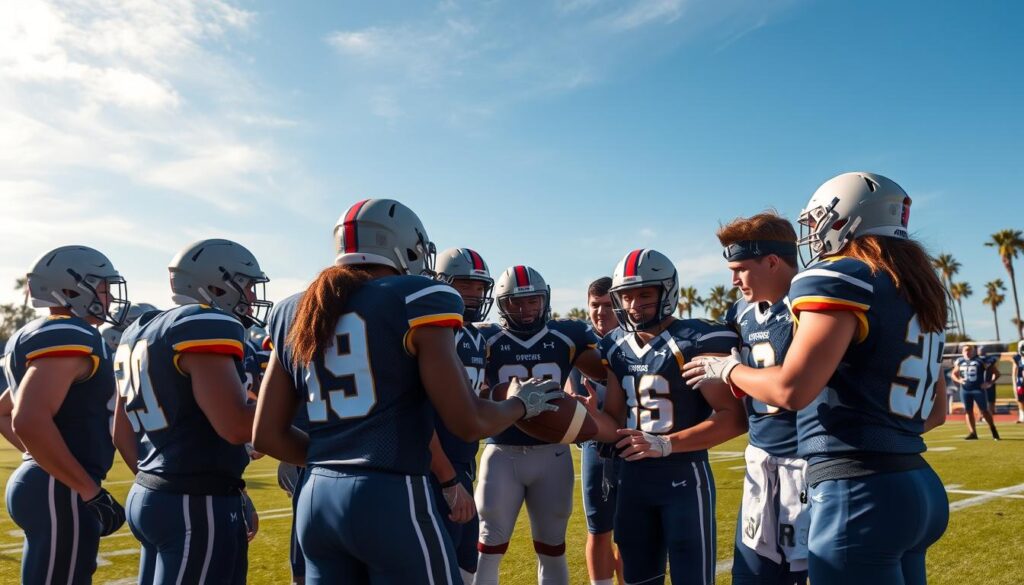
You see the micro-leadership. Who keeps morale up during a rain delay? Who is quietly studying film on their iPad? The road reveals character in a way practice never can. It’s a live-action case study in collaboration and conflict resolution. For practical team-building ideas for a travel, observing these natural dynamics is the first lesson.
In our age of digital connection, there’s no substitute for this analog, collective grind. Being somewhere else together, fighting for a common goal, creates a unique fiber. It’s the difference between a group of talented individuals and a unit.
That bond, forged between games and miles, is the intangible asset. It’s what makes the difference when the score is tight and the pressure is on. The road doesn’t just take you to the game. It builds the team that wins it.
Regional Representation
Regional championships are more than just games; they’re statements of pride and identity. Teams from Southwest Florida wear their colors with pride, representing the Gulf Coast. They become the face of the region during these events.
This role is significant, as teams from different areas compete. The Fort Myers metro area is a powerhouse, with many teams ranking high statewide. The Bradenton-Sarasota area also shines, with schools like Parrish and Lakewood Ranch making a mark.
Every game is a battle for regional supremacy. It’s Fort Myers against Tampa, Bradenton against Orlando. Winning a regional title sends a strong message: “We can compete with anyone.”
Hockey has added a new dimension to Florida’s sports scene. It brings a gritty, northern-tier edge to the state’s sports identity. Now, Southwest Florida is seen as a sports powerhouse.
Every game is a chance to prove a point. It’s about showing that a regional championship here is just as valuable as any other. It’s about changing minds, one game at a time.
Conclusion: Bringing Wins Home
So, after all those miles, what’s the payoff? The missed classes and questionable hotel rooms have to add up to something.
The answer is elegantly simple. You bring the wins home. But a trophy is just the physical proof. You’re really importing resilience, a collection of wild stories, and a hardened identity. The away game is the crucible.
Southwest Florida’s balanced, deep competition is the perfect training ground. It creates playoff-ready teams that know how to handle pressure on the road. Every win earned elsewhere validates the community’s investment. It transforms a local squad into a regional force.
The game, as they say, is “deeply rooted here for years to come.” Every mile logged is a down payment on that future. The journey itself—with all its absurdities and triumphs—becomes the story worth telling.
That hardened sense of self, forged in the chaos of away games, is the real victory you carry back.