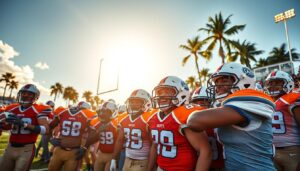
Finding the right recreational sports program in Southwest Florida is now easier. This guide organizes all local options so you can quickly find what fits your needs.
We break things down by age. Adult activities are co-ed and open to players 18 and older. Youth programs have specific age brackets, like 5-8 years for basketball or 5-16 for flag football.
These often use a cutoff date, such as “age as of September 1.”
Seasons matter too. Most organizations run leagues in Fall, Spring, Summer, and Winter. Knowing the schedule helps you plan your registration ahead of time.
Whether you’re looking for a casual recreational league or a more competitive ladder, this directory points you to the right place. The following sections provide direct links, contact details, and key facts to streamline your sign-up process.
Team Sports: Soccer, Softball, Basketball, Flag Football (Contacts/Links)
Whether you’re an experienced athlete or just starting, SWFL has team sports leagues for everyone. These leagues are great for staying fit, making friends, and feeling part of a community.
The YMCA is a key spot for adults. They offer competitive Adult Basketball leagues and Open Gym for practice. Their co-ed Adult Softball leagues are perfect for a fun, social game. For adult soccer, check out the YMCA or local soccer groups for league info.
Youth sports get a lot of support from local athletics. For example, the City of Cape Coral has a detailed schedule:
- Youth Flag Football: For ages 5-16, with a Spring season.
- Youth Basketball: Leagues for ages 9-14 run in Summer and Winter.
- Biddy Basketball: An introductory program for ages 5-8, offered in Spring and Fall.
- High School Basketball: For players aged 15-17, typically in the Spring.
Getting registered is simple. For YMCA programs, just contact or visit your local branch. For Cape Coral athletics, use their online registration portal. You can also email questions to athletics@capecoral.gov.
This organized way makes it easy to find the right adult soccer or softball league. It ensures every player, young or old, finds a team to join.
Racket & Court: pickleball, tennis—ladders & open play
Southwest Florida has great options for those who want fun sports without a big time commitment. Pickleball and tennis are big hits. They’re great for getting fit and meeting new people.
Places like the YMCA focus on tennis and pickleball. They offer flexible play times. You don’t need to join a team to play.
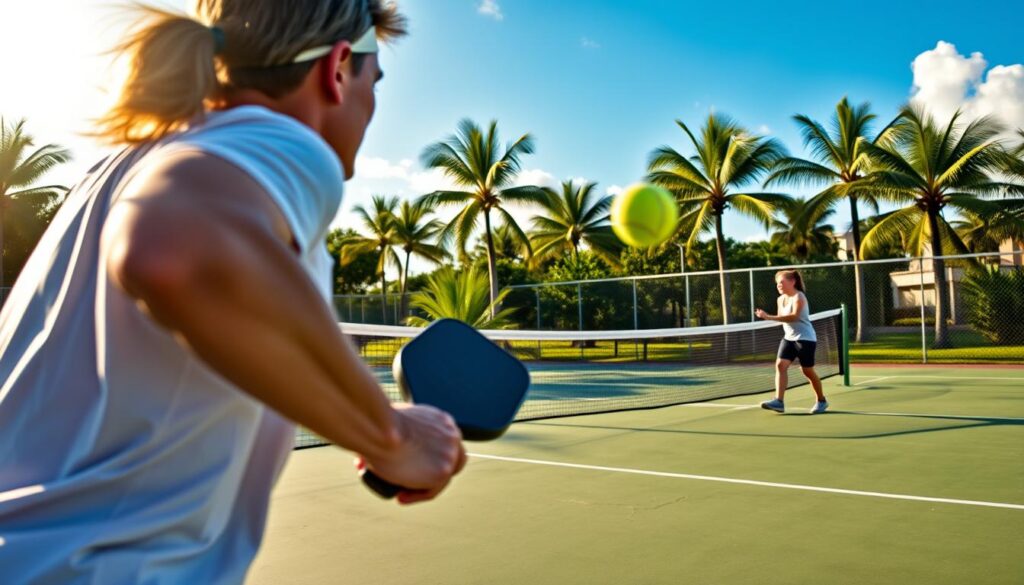
“Ladders” and “open play” are two popular ways to play. Ladders are for those who love to compete. You keep trying to beat others to move up.
Open play is more relaxed. It’s like joining a game whenever you want. The Venice YMCA has Volleyball Open Gym on Fridays for $5.
Both pickleball and tennis offer this drop-in style. It’s perfect for those with busy lives.
Here’s a quick look at how these formats apply to popular court sports:
| Sport/Activity | Ladder Leagues | Open Play Sessions | Ideal For |
|---|---|---|---|
| Pickleball | Ongoing rankings, regular matches | Drop-in play, often at community centers | Social players seeking flexible competition |
| Tennis | Skill-based matchups, monthly standings | Reserved court time for casual play | Individuals wanting to improve without team pressure |
| Court Sports Model | Continuous competition without fixed teams | Pay-per-session access (e.g., $5 drop-in) | Those with variable schedules |
Starting is easy. Just visit your local YMCA. They can tell you about pickleball and tennis. Ask about court times and ladder play.
These sports are social and don’t require a big time commitment. Whether you’re experienced or new, there’s a place for you.
Endurance & Outdoors: running, cycling, paddling clubs
Southwest Florida’s fitness scene is alive with running, cycling, and paddling clubs. These groups mix exercise, socializing, and motivation. They’re flexible, fitting into your busy life with regular meetups.
Being part of a club means you’re more likely to stay on track. Friends waiting for you adds a fun twist. Plus, you’ll discover new places to explore.
Running clubs are key in the local fitness world. They offer weekly group runs from parks or coffee shops. Everyone gets a chance to keep up, thanks to different pace groups.
To find running clubs, visit your local running shoe store. They often have flyers or know the organizers. Social media and Meetup.com are also great places to find groups.
Cycling groups offer friendship and safety on the road or trails. Road cycling groups take on scenic routes, while mountain bike clubs tackle local trails. Your bike shop is a great place to start looking for cycling groups.
Paddling clubs let you explore SWFL’s waters with others. Kayaking and SUP clubs go on trips through mangroves and along coastlines. It’s a great way to build strength and enjoy nature. Marine supply stores and local outfitters are good places to find paddling groups.
| Activity Focus | Typical Meeting Style | Best Way to Find Local Group | Starter Gear Tip |
|---|---|---|---|
| Running Clubs | Weekly group runs with designated pace leaders. | Visit running specialty stores or search Facebook for “[Your City] Run Club”. | Invest in a good pair of shoes fitted at a specialty shop. |
| Cycling Groups | Organized road rides or trail sessions, often with A/B/C pace options. | Inquire at local bicycle shops; they often host shop rides. | A properly fitted bike and a quality helmet are non-negotiable. |
| Paddling Clubs | Guided group kayak or SUP excursions on local waterways. | Check bulletin boards at marine supply stores or rental outfitters. | Start with a rented or borrowed boat/board to see if you enjoy it. |
Community is the heart of these activities. Whether you’re training for a race or just looking for fun, there’s a group for you. A quick search or a visit to a local store can connect you. Your next adventure is just a step away.
Fees, Seasons, and Tryouts at a Glance
Understanding fees, seasons, and tryouts can be tricky. We’ve made it easy for you. Knowing these details helps you plan and budget for the season.
Most recreational leagues have affordable youth sports fees. Fees range from $70 for T-Ball to $140 for advanced baseball. Basketball and volleyball usually cost around $105 per season.
The YMCA offers drop-in options. For example, Open Gym costs $5 for non-members. It’s a good way to try something without committing to a full season.
The recreational leagues follow a clear annual cycle. The main seasons are Fall and Spring. Summer is for some sports, and Winter is for indoor activities like basketball.
Registration windows are important. Fall season sign-ups open in July or August. Spring season sign-ups are in January or February. Mark these dates to secure your spot.
Community leagues focus on fun and skill development, not formal tryouts. Teams are formed based on who signs up first.
Your main concern is the registration deadline and league capacity. Once full, sign-ups close. Sign up early to avoid missing out.
| Sport / Activity | Fee Range | Primary Season | Registration Period |
|---|---|---|---|
| Youth T-Ball / Baseball (Intro) | $70 – $90 | Spring, Fall | Jan/Feb (Spring), July/Aug (Fall) |
| Youth Baseball (Advanced) | $120 – $140 | Spring, Fall | Jan/Feb (Spring), July/Aug (Fall) |
| Youth Basketball / Volleyball | ~$105 | Winter | Oct – Nov |
| YMCA Open Gym (Drop-in) | $5 (non-member) | Year-round | Not required; pay at facility |
This table gives you a quick reference for common costs and timelines. Remember, specific youth sports fees and seasons can vary. Always check the official website for the final details.
With this overview of costs, seasons, and the registration process, you’re ready to sign up. The goal is to enjoy playing, not to stress over tryouts or complex schedules.
Volunteer Roles and Coach Clinics
Local sports groups, like the Erik Metzler Baseball program for 16U players, need volunteers. They look for people to help coach and support. Without volunteers, leagues can’t run.
Volunteers are key to making teams and games happen. They also provide positive role models for kids. There are many roles where help is needed.
| Volunteer Role | Typical Duties | Time Commitment | Training Provided |
|---|---|---|---|
| Head Coach | Lead practices, develop game strategy, communicate with parents, ensure player safety. | 4-8 hours per week during season. | Yes, often mandatory clinic. |
| Assistant Coach | Support head coach during drills, manage equipment, help with player development. | 2-4 hours per week during season. | Yes, recommended clinic. |
| Team Parent | Coordinate schedules, manage snacks, organize team communications and events. | 1-3 hours per week. | Usually an orientation session. |
| Game-Day Volunteer | Scorekeeping, field setup, concession stand, or first-aid support. | 2-3 hours per game day. | On-the-job training. |
Seeing “*Coaches Needed” is an invitation to help. It shows the need in our community sports network. You don’t need to be a pro to help. Just a willingness to learn and a positive attitude.
Most organizations offer coach clinics to prepare volunteers. These sessions help build confidence and knowledge. They are usually free or very affordable.
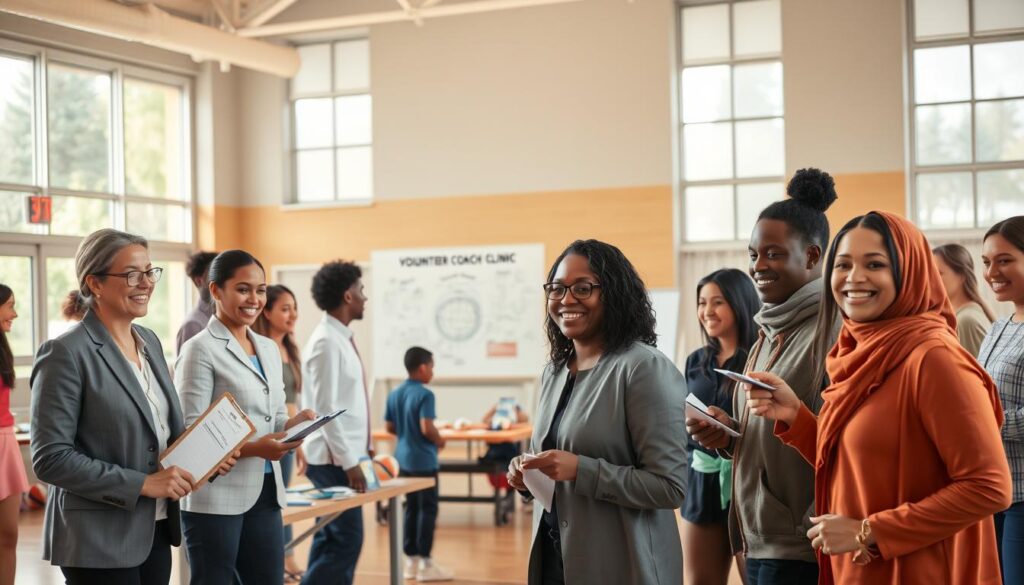
Clinics cover the basics of leading youth sports well. You’ll learn about sport-specific skills, age-appropriate drills, and safety. A big focus is on positive coaching techniques. This helps build players’ self-esteem and love for the game.
Even assistant coaches and seasoned parents can benefit from clinics. They learn about league rules and emergency procedures. This ensures a safe and consistent experience for all kids.
Being a volunteer is rewarding. You directly impact young athletes and strengthen the local sports community. If you’re interested in sports and mentoring, contact any league. They’ll help you get started.
Starter Gear Lists per Sport
This guide helps you know what you need for each sport in SWFL. Buying the right gear saves money and gets you ready to play fast.
Leagues often share equipment. Your personal gear should focus on safety, fit, and performance.
Here’s a quick comparison of essential starter gear across popular sports.
| Sport | Essential Personal Gear | Typically League-Provided |
|---|---|---|
| Basketball | Athletic shoes with good ankle support, moisture-wicking clothing | Game balls, team jerseys |
| Volleyball | Knee pads, court shoes, athletic shorts/leggings | Volleyballs, net system |
| Softball/Baseball | Fielding glove, cleats, athletic pants | Bats, helmets, catcher’s gear |
| Flag Football | Mouthguard, cleats, comfortable athletic wear | Flags, footballs, practice jerseys |
| Tennis | Tennis racket, court-specific shoes, sweat-wicking outfit | Practice balls, court access |
| Pickleball | Pickleball paddle, court shoes, athletic attire | Play balls, net |
| Martial Arts | Uniform (Gi or No-Gi attire), mouthguard | Training pads, mats |
Here’s a detailed list for each activity. Essential gear is what you need for the first practice. Recommended items improve your experience as you get more serious.
Basketball
- Essential: High-top or supportive athletic shoes. Breathable t-shirt and shorts.
- Recommended: Ankle braces if prone to injury, a reusable water bottle, and a small bag for your stuff.
- Note: The league usually gives you a team jersey for games.
Volleyball
- Essential: Knee pads are a must for diving. Volleyball or court shoes for lateral support.
- Recommended: Padded shorts for extra protection, finger tape, and athletic sleeves.
- Note: Balls and the net are almost always supplied during matches and practices.
Softball and Baseball
- Essential: A properly fitted fielding glove. Rubber or metal cleats. Long baseball pants.
- Recommended: Batting gloves, a personal bat (check league rules), and a gear bag.
- Note: Teams provide shared bats, batting helmets, and catcher’s equipment.
Flag Football
- Essential: A fitted mouthguard for safety. Soccer or football cleats for traction.
- Recommended: A lightweight athletic cup, gloves for receivers, and compression wear.
- Note: Flags, belts, and practice footballs are part of the league’s standard equipment.
Tennis
- Essential: A tennis racket suited to your size and strength. Durable court surface shoes.
- Recommended: Overgrips, a visor or hat, and a can of extra tennis balls.
- Note: Clubs or ladders often supply practice balls for group sessions.
Pickleball
- Essential: A pickleball paddle. Shoes designed for court play to prevent slipping.
- Recommended: Paddle cover, sweatbands, and outdoor balls if playing on concrete courts.
- Note: Open play venues typically have nets and communal balls available.
Martial Arts
- Essential: The correct uniform (Gi for Judo/BJJ, rash guard for No-Gi). A mouthguard.
- Recommended: A gear bag, a water bottle, and an extra set of training clothes.
- Note: Dojos provide all heavy training pads, kicking shields, and mat space.
Buying the right starter gear makes joining a league easy. Always check with your specific organization for any unique rules. Now you’re ready to play!
Calendar Reminders + ICS download
Managing your calendar is key to joining Southwest Florida rec leagues. Registration periods are short. Leagues for youth soccer or adult softball open and close fast.
Mark important dates early. Note when registration starts and ends. Save the first practice date and the season start and end. This helps avoid last-minute stress.
Use digital calendar tools to stay organized. Many leagues offer an ICS calendar file download. Platforms like SportsEngine or LeagueApps make it easy.
This sync helps you avoid missing deadlines. It lets your family plan around the sports season. A well-managed calendar makes for a smooth and enjoyable experience in SWFL recreational sports.