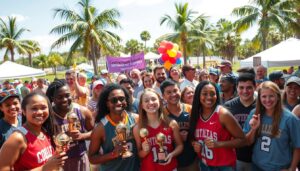
Remember when Naples running meant dodging sunbathers on the beach? Those casual jogs have evolved into something spectacular.
The Edison Festival of Light 5K didn’t just become a race – it became a glittering centerpiece of our running revolution. What started as a community fun run now draws athletes from across the region.
On the other hand, the Naples Half Marathon family keeps growing. We’ve got the Paradise Coast event, Distance Classic, Fall Classic, and that quirky cousin NDN Half. Each race tells its own story.
These events mirror our area’s transformation. We went from sleepy retirement community to vibrant athletic destination. Who knew running could become such a sophisticated cultural phenomenon?
Origins of the region’s signature races
Every great race starts with someone bold saying, “Let’s do this every year.” The Edison Festival of Light 5K was born from Fort Myers’ love for Thomas Edison. A group of local runners, sweating in their cotton shirts, wanted more than parades to celebrate Edison.
These weren’t just casual joggers. They were the first members of running clubs Fort Myers style. They met early, ready to run in the tropical heat, before they had sponsors or timing chips.
The racing scene in Southwest Florida is like a Darwinian experiment. Some events thrived, while others disappeared quickly. The survivors had key traits:
- Deep community roots across Lee County distribution points
- Adaptation to local identity from Cape Coral to Estero
- Evolution from informal groups to professional organizations
- Strategic timing around tourist seasons and weather patterns
What made these races stick? They became community traditions through sheer force of personality. The running clubs Fort Myers were more than just about fitness. They were social labs where races were tested and refined.
These clubs grew from groups of enthusiasts into racing powerhouses. They learned to handle permits, police details, and organizing thousands to run in formation. Their success stories built the foundation of Southwest Florida’s running culture.
The regional identity shaped everything. Cape Coral’s events reflected its waterfront beauty. Estero’s races tapped into suburban energy. Each community added its unique touch to the racing experience, creating a diverse ecosystem for multiple signature events.
Today’s races, with chip timing and corporate sponsors, owe it all to those sweaty visionaries. They thought, “Let’s get 500 people to run through downtown in February.” And it worked.
Course highlights and scenery breakdowns
Ever wonder why some Florida race course records seem almost mythical? You’ll see it in marathon and race strategy across Florida events.
Take North Collier Regional Park’s Rocktoberfest Half Marathon. It looks like just another park trail run. But it’s actually a thrilling race against Florida’s natural beauty. The course goes through wetlands and oak hammocks, making it a mental challenge.
The long park trails are a unique mental test. Unlike city races with lots of sights, Rocktoberfest’s scenery is the same everywhere. This makes it hard to keep your pace steady.
Naples’ beachfront races are different. They offer beautiful ocean views but no hills. These races are like running on a treadmill, showing your true fitness level.
Fort Myers courses have a surprise: small hills that look like flat ground. These deceptively challenging routes have “Florida mountains” – overpasses and bridges that test your strength.
Course records tell more than just times. They show weather, competition, and even the road’s condition. A record set on new asphalt is different from one on old trails.
The table below shows how these factors mix in Southwest Florida’s top races:
| Race Course | Primary Challenge | Record Stability | Scenery Impact |
|---|---|---|---|
| North Collier Regional Park | Mental fatigue from visual repetition | High (3+ years) | Nature preserve immersion |
| Naples Beachfront | Pace consistency on total flatness | Medium (1-2 years) | Ocean views with no shade |
| Fort Myers Riverfront | Deceptive elevation changes | Low (annual changes) | Urban waterfront mixed with bridges |
Florida’s race designers know we love nature and water views. They create routes that mix beauty with challenges. Next time you see course records, think of the stories behind them.
These course records become legends because of the perfect conditions needed to break them. Some records last years, while others fall quickly. Each course has its own story through its champions.
Training in the Florida heat: Local coaching tips
While runners elsewhere worry about snow and ice, we Floridians face a different kind of elemental warfare. Our training grounds become steam rooms by 8 AM, creating what I like to call “the sweat equity advantage.”
October’s magical temperatures create the perfect storm for personal records. The air turns from oppressive soup to crisp champagne. Suddenly, that same 5K pace feels effortless. Your body isn’t fighting the environment anymore – it’s collaborating with it.
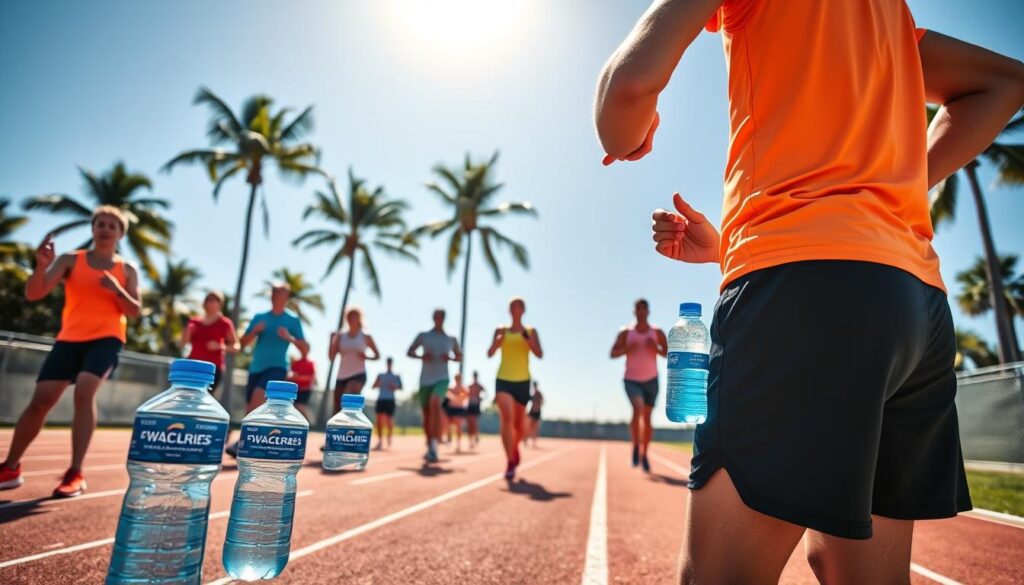
But let’s be real: those glorious October mornings don’t happen by accident. They’re earned through summer’s brutal boot camp. True Florida runners understand that heat training isn’t optional – it’s our version of altitude training.
Newcomers often make the classic mistake: they try to conquer the midday sun like conquistadors. Bad idea. The smart money’s on pre-dawn operations. We’re talking 5 AM alarms, headlamps, and the satisfying crunch of gravel underfoot while the rest of the world sleeps.
Hydration here isn’t just about water – it’s a cultural practice. We’re not merely drinking fluids; we’re conducting electrolyte ballet. The seasoned local knows that coconut water beats sports drinks, and that pickle juice back isn’t just for bartenders.
Acclimatization works like cultural assimilation. You can’t rush it. Start with short exposures. Build tolerance gradually. Before you know it, you’ll be complaining about “chilly” 75-degree mornings like a true native.
The transformation is remarkable. Watch as newcomers evolve from red-faced strugglers to smooth-operating heat machines. They stop fighting the sweat and start wearing it like a badge of honor. That’s when you know: another runner has gone full Florida.
Charitable partners and fundraising milestones
What’s more Florida than paying to suffer in the heat for someone else’s benefit? Our racing scene has perfected this peculiar brand of altruistic masochism. While runners chase personal records, they’re also raising millions for local causes.
The Calusa Nature Center’s Haunted Walk fundraiser is a perfect example. It combines fun with a serious purpose. Families enjoy the spooky atmosphere, while the event supports animal care and education.
Big events like the Edison 5K and Naples Half have become powerful fundraising engines. They’ve raised millions and formed lasting community partnerships. This shows Southwest Florida’s wealth, philanthropy, and health consciousness coming together.
Thousands of people willingly run 13.1 miles in Florida’s humidity to help others. It’s not just exercise; it’s also economic stimulus. The local impact helps with environmental conservation, youth programs, and healthcare.
These events showcase our community’s spirit. Runners become mobile philanthropists, each step helping causes that matter. The finish line is a victory for everyone who benefits from these partnerships.
Florida’s racing scene shows that competition and compassion can go hand in hand. You can pursue personal glory while supporting community growth. The real winners are those who benefit from these fundraising efforts.
Records, legends, and memorable finishes
Let’s explore the tales that make stopwatch numbers legendary. In Southwest Florida, the real story is often hidden behind the numbers.
The Naples Half course record is 1:04:32, set by a Kenyan elite. They thought our humidity was refreshing. But the real legend is the 2017 race, when Hurricane Irma hit.
Runners faced 40mph crosswinds, and volunteers worked hard to keep aid stations safe. The winner was a local teacher. She said she raced because of the extra time from school closures.
At the Edison 5K, Martha Jenkins is a mystery. She’s run every year for 38 years. Her secret? She runs when it’s not busy.
Then, there’s the snowbird surge in January. Seasonal residents from colder places dominate races. It’s like watching migratory birds, but with runners.
These stories show Florida’s ever-changing nature. Records may last, but the people change every year. The real beauty lies in these fleeting moments of glory.
So, next time you see a record, ask about the story behind it. In Southwest Florida, the clock only tells part of the tale.
Clubs, pacers, and medical/volunteer teams
Ever wonder how thousands of runners move through city streets without chaos? The answer is in Southwest Florida’s hidden network. The running clubs Fort Myers and nearby areas have built. These groups are key to every big race, working with precision and a touch of Florida flair.
Pacers are the unsung heroes of races. They give up personal goals to help others reach their targets. They hold signs and keep perfect pace. It’s like watching a conductor lead an orchestra, every move is planned.
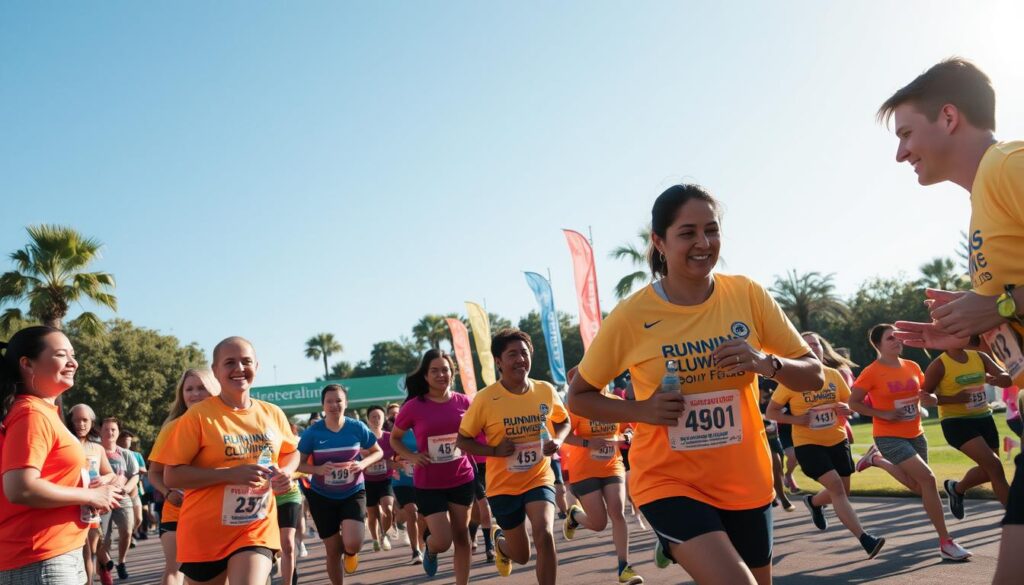
Medical teams are like stars of their own show. They deal with everything from dehydration to lost tourists. I’ve seen them handle both calmly, showing amazing skills.
Volunteer teams are like a well-oiled machine, adapting to the seasons. Running clubs Fort Myers teams recruit all year. They get extra help in winter and find creative ways to get volunteers in summer.
These groups turn streets into race tracks. Water stations pop up like magic. Marshals and finish line staff work together like a Broadway show. It’s all thanks to the hard work of local running clubs Fort Myers fans.
So, the next time you finish a race, think of the team behind you. They’re not just handing out water; they’re creating moments of victory.
Family-friendly aspects and youth programs
Florida’s racing culture has grown, making these events fun for all ages. Now, strollers are seen as status symbols. Southwest Florida’s running scene is great at including families, better than many places manage to organize their events.
Local races use a wide network to reach families. The Edison and Ford Winter Estates Fall Festival is a top example. It mixes history with fun, becoming a community center with a race.
Running strollers have become a symbol of status. The $800 jogging stroller is like a luxury car for parents. They push these strollers, showing off their parenting skills.
Bounce houses and activity zones are smartly placed. They keep kids busy while parents race. This setup is a clever way to keep everyone happy.
Youth programs are key for the sport’s growth. But, kids have to compete with screens. Florida’s weather is great for outdoor activities, but screens are a big challenge.
Successful programs mix old and new. They use apps, social features, and rewards. This makes exercise feel like fun, not a chore.
| Program Name | Age Range | Focus Area | Season | Success Metric |
|---|---|---|---|---|
| Future Flash Track Club | 6-12 years | Fundamentals & Fun | Year-round | 60% continued participation |
| Teen Trailblazers | 13-17 years | Competition & Technique | Fall/Spring | 25% scholarship rate |
| Family Fit Challenge | All ages | Intergenerational bonding | Winter | 85% family retention |
| Screen to Scene Initiative | 8-14 years | Digital detox through running | Summer | 70% reduced screen time |
Programs with tech and social elements keep kids coming back. The Screen to Scene Initiative is a big success, cutting screen time by 70%. This shows the right mix can beat digital addiction.
These family-friendly aspects and youth programs are more than extras. They’re key investments in community health and the sport’s future. The real goal is to create lasting habits that go beyond the event.
Calendar of races and sign-up windows
Ever wonder how Florida race directors plan their events? They’re not just picking dates. They’re creating a seasonal dance where every move must avoid tourist season.
Take October 2025. The Rocktoberfest Half Marathon on October 5th is a smart choice. It happens when the weather is nice but before the snowbirds arrive.
The Marco Boat Show (October 10-12) gets its own weekend. This is smart. It keeps yacht shoppers and runners from getting in each other’s way.
The Edison and Ford Estates Fall Festival on October 18th is a great example of planning. It lets people enjoy culture and food, perfect for race training.
Florida’s race planning shows its dual nature. It aims to please locals and not scare off tourists.
| Event | Date | Registration Opens | Strategic Advantage |
|---|---|---|---|
| Rocktoberfest Half Marathon | October 5, 2025 | June 1, 2025 | Pre-snowbird perfect weather |
| Marco Boat Show | October 10-12, 2025 | N/A | Avoids runner/boater collisions |
| Edison Estates Fall Festival | October 18, 2025 | N/A | Cultural complement to race season |
| Naples Fall 10K | October 26, 2025 | July 15, 2025 | Post-festival fitness test |
Registration windows tell a story too. Early bird sign-ups for the Rocktoberfest Half start June 1st. It shows commitment, even during hurricane season.
The Naples Fall 10K on October 26th offers recovery time after festivals. It’s a test of fitness after enjoying fair food and history.
This isn’t just scheduling. It’s social engineering with stopwatches.
Growing the next generation of runners
Southwest Florida’s running scene is growing fast. Events at places like Cambier Park and North Collier Regional Park are more than just fun. They’re where tomorrow’s stars are made.
These kids’ races are intense. I’ve seen six-year-olds beat runners who can’t stop looking at their phones. It shows how youth programs are changing, making health and community more important.
Local groups mix old and new. They use apps to track progress but also keep the excitement of crossing the finish line. This way, they keep the younger crowd interested without losing the essence of running here.
Seeing families come together over running is the best part. Parks are alive with people of all ages, showing that running traditions can grow. Southwest Florida is not just passing on the torch. It’s teaching the next generation to run with it.