For the local hero, this moment is sharper than a plot twist in a prestige drama. It’s not just retiring a number. It’s an existential pivot. The defined metrics of wins and losses vanish. You’re left facing an ambiguous scoreboard called life.
We’re talking about the immediate void. The silence after the roar. An identity, once forged in sweat and strategy, suddenly feels like a relic.
This is where the real multi-level game begins. The rules are written in real-time. The journey from the locker room to the boardroom, the classroom, or the community center isn’t an end. It’s a complex second act. It demands a new kind of playbook.
So, is an athlete’s greatest challenge facing the quiet after the crowd goes home? Let’s pull back the curtain.
Transitioning from Sports: Common Challenges
The post-game hangover isn’t from Gatorade. It’s a deep feeling of confusion when the game ends. This athlete transition is like a complete system reboot. It’s when your identity crashes into a new reality.
The first big challenge is figuring out who you are without sports. For years, being an athlete defined you. It was your job, your identity, and your social status. Without it, you might feel lost and unsure of yourself.
Then, there’s the shock of losing structure. Athletes live by a strict routine. But when that ends, you’re left with a lot of free time. This can make it hard to ask for help or admit you’re unsure.
Here are some common hurdles in transitioning to life after sports:
- The Social Void: Leaving a team means losing a close-knit group. The camaraderie and shared experiences are gone. Moving to a more solitary life can be tough.
- Career Construction from Scratch: Starting over is like building a skyscraper without a plan. Athletes often have to find new skills to market. Building a resume and networking can seem overwhelming.
- The Universal Fog of Uncertainty: Feeling unsure about the future is common in transition from sports. It’s normal to wonder what’s next. The path ahead is rarely straightforward.
The biggest mistake is not recognizing these challenges early. Recognizing the athlete transition hangover is the first step. It’s like starting a new game plan. The best coaches always know their opponents well.
Profiles: Athletes in Business, Coaching, and Service
We’re not mourning retired jerseys. Instead, we’re looking at those who built empires after their playing days. The idea of a bankrupt lottery winner is a tired tale. We’re focusing on the quarterbacks who turned to venture capital and the point guards who started non-profits. Let’s explore the successful transitions.
That huge $265 million contract is more than just a number. Smart former athletes see it as a complex financial puzzle. Turning that into real wealth takes more than a good accountant. It needs the same focus they used to outsmart opponents.

The magic happens when they apply their skills to new fields. Leadership, resilience, and performing under pressure are key. It’s not just about inspiration; it’s about using their skills in new ways.
So, what does success look like after sports? Look at the table below. It shows how athletic skills translate to success off the field.
| Athletic Skill | Business & Service Application | Profile Archetype |
|---|---|---|
| Game Film Analysis | Market research & competitive strategy. Seeing patterns others miss. | The Venture Capitalist. They assess startups like assessing a rookie’s future—high risk, big reward. |
| In-Game Leadership | Team building & corporate culture. Motivating a diverse group toward one goal. | The CEO/Founder. They don’t just run a company; they create a winning culture. |
| Clutch Performance | Crisis management & high-stakes negotiation. Delivering when everything is on the line. | The Non-Profit Founder. They quickly solve urgent community problems, fundraising under pressure. |
| Rigorous Discipline | Long-term strategic planning & execution. Rejecting short-term gains for sustainable growth. | The Master Coach. They build programs, not just win games, developing the next generation. |
Notice a pattern? It’s not about the job title. It’s about the mindset. The venture capitalist isn’t just throwing money around. They’re executing a game plan based on data, instinct, and the courage to take risks.
Back to that massive contract. For retired pros who get it right, the financial strategy includes:
- Aggressive tax strategy (it’s not evasion, it’s a smart defensive scheme).
- Diversified investments (don’t put all your eggs in one endorsement basket).
- Lifestyle calibration (the mansion is a liability if it drains your capital).
This level of post-sport strategy doesn’t happen by accident. It requires the same intentional planning for life after sport that went into a championship season. The most successful former athletes treat their career transition like their most important off-season. They train for it.
The final score? It’s not measured in points, but in impact. Whether it’s coaching, launching a startup, or leading a community service initiative, the best competitors never really leave the game. They just change their uniform. Their profiles show that the discipline to be a pro is the same discipline to build a meaningful second act.
The Role of Education and Mentorship
The final whistle blows, and the real education begins—a lesson in building your own dream team off the field. Think of your post-sports career not as a downgrade, but as unlocking expert mode. You wouldn’t show up to a championship without training. Why would you enter the business world without the right intellectual toolkit?
Education here is the ultimate power-up. It’s not about remedial classes. It’s about targeted skill acquisition. An executive MBA isn’t just a piece of paper; it’s a new playbook for corporate strategy. A coding bootcamp is your drill for tech agility. This is the intellectual equivalent of finding a good passing lane—you see the opening and you skill up to hit it.
But knowledge alone is a solo sport. This is where mentorship becomes your force multiplier. No champion is an island. Why should a retiree be? Accessing professional support services, like career counseling, is like hiring a hall-of-fame coach for your life’s second quarter. A good mentor provides the scouting report on industries you’ve never played in.
The most strategic move? Assembling your personal front office. This is your advisory board. Your starting five for life after the game. You need a career coach to call the plays. An industry insider to give you the real-time intel. A financial sage to manage the clock and the budget. This team turns a chaotic transition into a managed offensive drive.
You moved from a team sport to a solo endeavor and back to a team sport again. The goal is lifelong growth. Your post-sports career thrives on this blend of learned wisdom and guided experience. It’s how you ensure your next act isn’t just a participation trophy.
Local Organizations Helping with Athlete Transition
The post-game playbook isn’t just for athletes. Local organizations play a big role too. They are like the support team every athlete needs.
The U.S. Olympic & Paralympic Committee’s Athlete Services team leads the way. They offer more than just help. They provide psychological services and career counseling. It’s a team focused on your success, not just your athletic career.
What does this mean in real life? It means getting help to see retirement as a new start. They help with financial planning and mental health support. You can reach them at athleteservices@usopc.org.
This support team helps athletes find new ways to use their skills. They provide the support needed for a smooth transition. This helps athletes focus their energy on helping others.
Instead of winning medals, athletes now work on grants and mentoring. This shift helps them make a positive impact in their communities. The community impact becomes their new goal.
Once focused on winning, athletes now use their skills for good. The support network keeps them ready for this new challenge. The reward? A lasting legacy and a strong community impact.
Staying Involved with Sports
Imagine a superhero who loves comic books even after hanging up the cape. This is what a healthy athlete transition feels like. You might not save the world anymore, but you haven’t lost your passion for it.
This phase isn’t about retiring from the sport. It’s about stepping away from the pressure of it all. Now, you enjoy simple pleasures like the *crack* of a new bat on a Sunday morning. It’s pure joy, without any sponsors.
Look around and you’ll see it. Retired athletes playing pickup games, teaching kids how to throw a curveball, or coaching summer league teams. It’s not just nostalgia. It’s about finding your true self.
So, what does this post-career engagement look like? It’s about finding that spark again, not sticking to a strict routine.
- Recreational Leagues: The perfect way to stay involved without the pressure. It’s just the game and the laughter of friendly competition.
- Community Events: Home run derbies, charity runs, and alumni games. These events let former athletes relive their magic for a day, surrounded by fans who remember.
- Mentorship & Coaching: Sharing your skills with the next generation. The joy is in teaching, not just doing.
This is the key middle ground for those transitioning. It’s not about completely giving up who you are or getting stuck in the past. It’s about finding a balance.
For many, this balanced involvement is healing. It keeps important social bonds strong. It lets you stay connected to your sport without the risk of injury. It turns a single identity into a rich part of your life.
Does a retired racer miss the thrill of speed? Absolutely. But now, they might find it on a go-kart track with their kids. The thrill is different, but the excitement is the same.
Inspiring Comeback Stories
Forget the Hollywood script—the most compelling third acts in sports aren’t filmed; they’re built in our own communities. We’re not talking about a nostalgic return to the field. This is about a strategic pivot where the arena becomes Main Street, and the scoreboard tracks a different kind of win.
Consider the former linebacker who now runs a youth community center. On the field, his job was to read offenses and disrupt plays. Today, he uses that same tactical mind to organize outreach programs and mentorship networks—similar to the impact highlighted in mentorship networks across Southwest Florida.
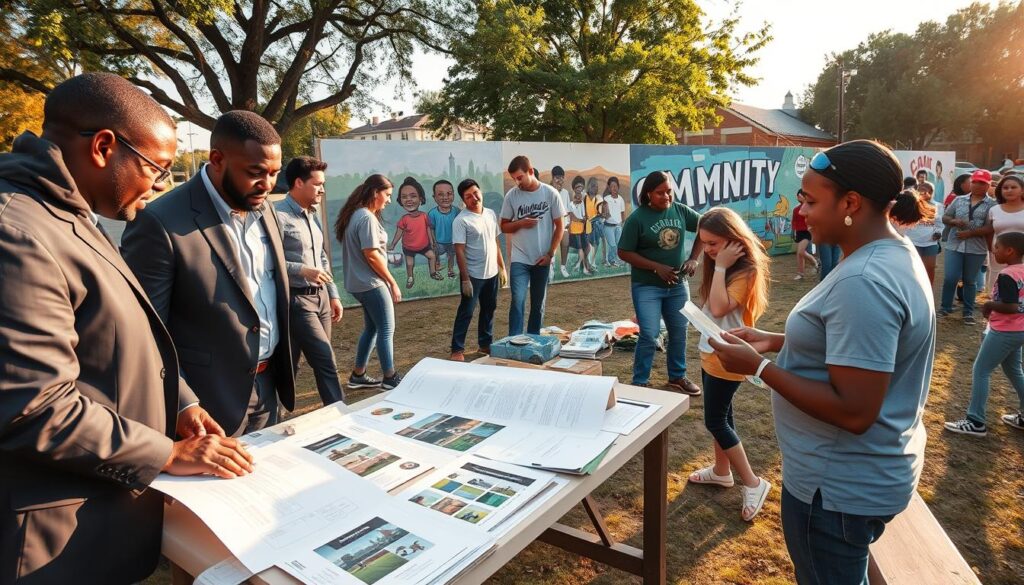
This aligns perfectly with a principle from philanthropic strategy: money is just a magnifier. For an athlete with capital—financial or social—retirement isn’t an end. It’s a chance to amplify their community impact on a scale they never could as a player. The local soccer star who founds a non-profit isn’t just donating; she’s building an institution.
What’s the mindset shift here? It’s the journey from chasing championships to building legacies. Source data on goal-setting highlights this: the most successful transitions happen when athletes embrace a new, meaningful journey. The metric for success stops being personal stats. It becomes community metrics—lives changed, programs funded, opportunities created.
These stories are blueprints, not fairy tales. They prove that an inspiring post-sports career is less about finding a new job and more about launching a second act that rivals the first. The discipline, teamwork, and competitive fire don’t vanish. They get repurposed.
Think of the point guard who now orchestrates a tech incubator for underserved youth. Every pass he once made was about setting up a teammate for a better shot. Now, his “assists” are grants and networking introductions. His community impact is measured in startups launched, not points scored.
The real comeback is internal. It’s the athlete who trades the roar of the crowd for the quiet satisfaction of a thriving neighborhood. They set a new goal: not to be the best on the team, but to build the best team for their community. That’s a legacy that outlasts any trophy.
So, the next time you see a retired local star, don’t ask if they miss the game. Ask what they’re building. The answer will likely be their greatest play yet.
Conclusion
The final whistle isn’t the end. It’s a sign to start a new game. Our stories show that the real challenge begins when athletes take off their uniforms.
The athlete transition is a lesson in using your full ability. The skills learned on the field are valuable in business, coaching, and helping others. Athletes face big challenges like losing structure and dealing with a new world without daily practice.
Success in post-athletic careers isn’t just luck. It’s about planning and getting the right support. Local groups and mentors play a big role. Moving from being an athlete to focusing on wellness is a major win, as research shows.
So, what’s the final score? Life after sports is a new game with its own victories. If athletes mastered a sport, they can master reinventing themselves. Your most exciting chapter is just starting.