Ever notice how your kid’s baseball jersey has more logos than a NASCAR driver? Welcome to a world where business meets sports for kids. What started as simple support has grown into a complex marketing system.
The deal is straightforward: local business gets seen while teams get the funding they need. It’s like the American dream, but with kids playing sports instead of racing cars.
We’ll dive into this interesting mix of business and community support. We’ll look at how these partnerships work and why they’re key for kids’ sports. The fight for those jersey spots can be fierce.
It’s a bit like wholesome branding. Everyone benefits when businesses back their community’s young athletes.
Profiles of Key Sponsors
Ever wonder who funds the young athletes playing soccer? The world of local youth sports is filled with interesting figures. It’s like a mix of a Capra film and a Wall Street thriller.
Meet the neighborhood hardware store owner, a modern-day George Bailey. He sponsors families for generations, building loyalty. His reasons? Civic duty and smart marketing. A faded logo on a jersey is free advertising in the community.
Regional banks also play a big role. They see youth sports as a PR opportunity. They use it to show they care about the community, all while keeping an eye on their bottom line.
Automotive dealerships are another interesting group. They put their names on sports gear, hoping it will lead to car sales. It’s a clever marketing move.
National chains are experts in sponsorship in local youth sports too. That coffee giant sponsoring charity runs? It’s pure genius. Parents get their caffeine fix while watching their kids play.
Fitness apparel stores sponsor teams as well. They’re looking to the future, hoping today’s athletes will become their customers. It’s a smart move for brand growth.
The reasons for sponsoring vary. Some do it for the community, others for tax breaks. The best community partners do both, gaining goodwill and saving money.
So, when you see “Bob’s Auto Repair” on a jersey, think about it. It’s a blend of community spirit and business savvy. These sponsors are investing in more than just sports; they’re buying goodwill, one soccer ball at a time.
How Sponsorships Work
Ever wonder what happens when a local business sponsors your kid’s soccer team? It’s not just about community spirit. It’s about smart marketing decisions that parents might not see.
Sponsorship in local youth sports is like a mini merger. Businesses give funding or equipment for brand visibility. They target parents with money to spend.
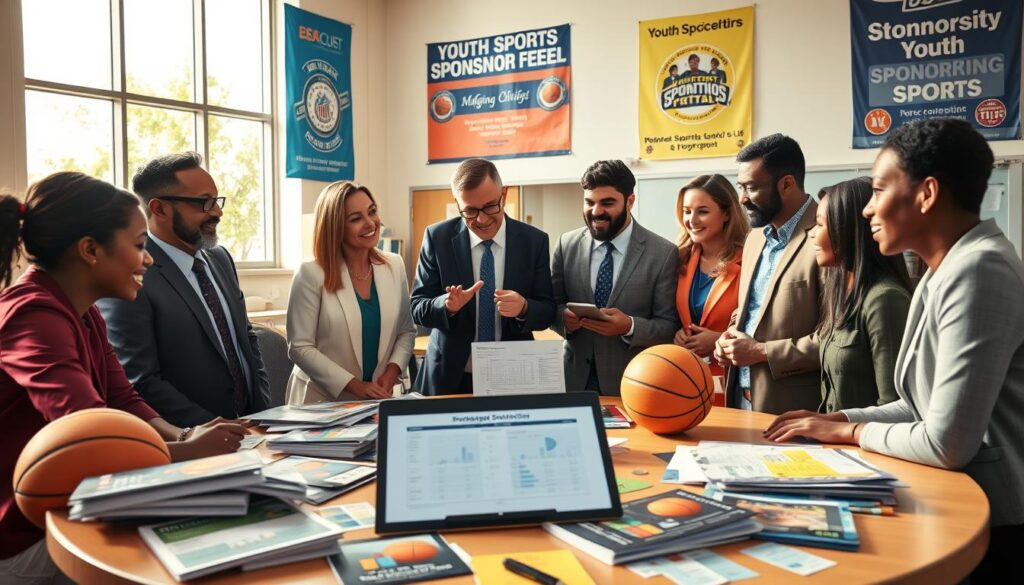
The sponsorship process starts with careful outreach. It’s a mix of art and science. Proposals aim at the right people, like coaches and league officials.
To make a great pitch, you need to know what businesses want:
- Clear ROI metrics (yes, even for T-ball sponsorships)
- Demographic data about the families involved
- Specific activation opportunities beyond just logo placement
Sponsorship packages should be unique. A $500 local pizza joint sponsorship is different from a $5,000 automotive dealer package. The best partners focus on emotional connection, not just logo size.
Let’s look at what different sponsorship levels buy in today’s youth sports:
| Investment Level | Logo Placement | Additional Benefits | Estimated Reach |
|---|---|---|---|
| $250-500 | Team jerseys only | Social media mention | 150-200 families |
| $500-1,000 | Jerseys + field banner | Season program ad | 300-500 families |
| $1,000-2,500 | Prime banner placement | Event naming rights | 500-1,000 families |
| $2,500+ | All materials + PA mentions | Exclusive category rights | 1,000+ families |
Negotiations are like diplomatic summits, not casual chats. How many Instagram stories equal one banner? These are the hidden calculations behind every deal.
Good sponsorship deals are about real engagement, not just ads. The best sponsors aim for goodwill and visibility.
Sponsorship in local youth sports works because it’s a win-win. Businesses get targeted marketing, teams get funding, and everyone pretends it’s about community spirit.
Impact on Athlete Opportunities
Let’s look beyond the sponsorship shine and see what it really buys. That local business check can turn dreams into reality fast. It’s like a rookie’s first touchdown.
New equipment is key, not just a luxury. Helmets, cleats, and fields in good shape are safety must-haves. Local businesses often fill gaps that schools can’t.
Travel funds are game-changers. They let athletes compete beyond their local fields. Without them, many talented athletes miss out on big chances.
The mental boost from wearing top-notch uniforms is huge. It makes kids feel more confident. A local business’s logo on their jersey shows they believe in them.
This support system is like the old days of artists and patrons. Think Medici family and today’s local car dealerships. Both help talent grow but can disappear quickly.
Sponsorship creates clear differences in youth sports. Well-funded teams get better facilities and chances. But underfunded teams struggle with old gear and fewer games.
| Opportunity Factor | Sponsored Teams | Non-Sponsored Teams |
|---|---|---|
| Equipment Quality | Professional-grade gear | Often outdated or shared |
| Travel Opportunities | Regional tournaments | Local games only |
| Training Resources | Specialized coaches | Volunteer parents |
| Season Length | Full competitive schedule | Shortened seasons |
The funding gap does more than affect wins and losses. It shapes athletes’ futures. College scouts look for teams with top-notch gear, not rundown fields.
Good sponsorship in local youth sports does more than win games. It builds community and grows talent. The right local business partnership can change a whole program.
This isn’t just about sports. It’s about giving athletes a chance to grow. The power of youth sports sponsorship is a key tool for community development.
Real impact is seen in changed lives, not just new gear. That’s what truly matters.
Community Recognition
The ROI question for youth sports sponsorships isn’t about clicks or conversions. It’s about avoiding disappointed parents egging your store. Let’s explore what community recognition means for local business owners in sponsorship in local youth sports.
That logo on the jersey is more than branding. It’s social currency. When families see your insurance agency’s name on their kid’s uniform, you’re not just selling policies. You’re part of the team. This shift from vendor to community partners is where the magic happens.
Think about the tangible benefits first:
- Logo placement turns athletes into walking billboards (minus the union fees)
- Banners during games create permanent advertising in community spaces
- Social media posts generate organic reach that money can’t buy
- Game announcements make your business part of the local soundtrack
The VIP seating isn’t about watching baseball. It’s about being seen watching baseball. It’s performance art for small business owners. You’re not just observing the game; you’re showing your investment in the community’s future.
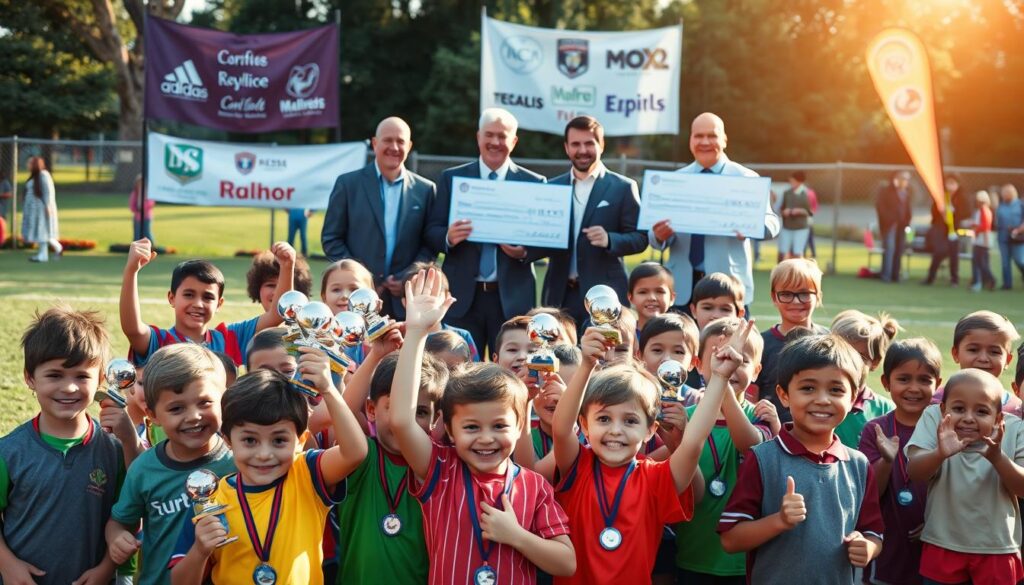
The intangible benefits are where the real value lies. That “warm fuzzy feeling” isn’t just emotional fluff. It’s brand loyalty in its purest form. Supporting local kids isn’t just buying advertising. It’s buying forgiveness for when you raise prices or mess up an order.
Modern sponsorship in local youth sports is like woke capitalism’s smaller, less pretentious cousin. It’s not about virtue signaling. It’s about genuine connection with the people who walk into your store on Tuesday morning.
The decision-making involvement is the secret sauce. When you help choose uniforms or tournament locations, you’re not just a sponsor. You’re a stakeholder. You become part of the community’s narrative in a way that billboard ads could never achieve.
So what’s the actual return? It might be the family that switches insurance providers because they saw your logo at third base. Or the customer who chooses your hardware store because you sponsored their nephew’s team. Or maybe it’s just not getting vandalized when the season goes poorly.
Either way, community partners in youth sports aren’t just buying advertising space. They’re buying social capital in the most valuable market there is: their own backyard.
Case Studies: Successful Collaborations
Let’s explore sponsorship deals that really paid off. These partnerships are more than just business deals. They’re cultural exchanges that bring together local businesses and youth sports teams.
Take Tony’s Pizza Parlor and the Westside Wildcats soccer team. Tony didn’t just give money. He became a part of the community. His pizza became a tradition after games, and his logo on jerseys brought in new customers.
Harrison Hardware sponsored the community baseball league. They gave out equipment and hosted clinics. This made them the go-to place for sports equipment care, boosting sales by 300%.
So, what made these partnerships succeed? It’s all about shared values and good execution. Showing up consistently also plays a big role.
These local success stories remind us of the most enduring sponsorships. They show that mutual benefit, real engagement, and commitment are key.
| Business Type | Sports Program | Sponsorship Approach | Measurable Outcomes |
|---|---|---|---|
| Local Restaurant | Soccer Team | Meal sponsorships + jersey branding | 35% increase in family dining traffic |
| Hardware Store | Baseball League | Equipment + educational workshops | 300% growth in sports-related product sales |
| Fitness Apparel | Multiple Teams | Uniform + equipment funding | Brand recognition in 5 school districts |
| Radio Station | Charity Tournaments | Media coverage + event promotion | 40% larger audience reach |
The radio station’s partnership with charity tournaments shows the power of media community partners. Their coverage drew spectators from three counties, making the event a huge success.
These case studies show that funding youth sports is a smart investment. It’s about improving community health and growing businesses. The best partnerships create stories and results that are worth sharing.
How to Become a Sponsor
Ever thought becoming a youth sports sponsor was as simple as writing a check? Think again—it’s more like navigating a maze blindfolded, but with better rewards. Start by identifying teams that align with your values. Winning records? Overrated. Look for passion and community impact.
Research the decision-makers. Who holds the purse strings? Craft a proposal that screams value, not just generic funding. Show them the ROI—both in dollars and in goodwill. This isn’t just charity; it’s smart business for any local business.
Build relationships. Forget cold calls; think warm handshakes and shared goals. Appreciation matters—offer recognition, exclusive benefits. Remember, Sponsorship in local youth sports is a two-way street paved with mutual respect.
Ready to dive in? Your journey from bystander to benefactor starts now. Don’t just fund—become a legend in your community.