Every touchdown, goal, and victory in Southwest Florida’s school sports has a hidden force behind it. This force is made up of dedicated booster clubs, youth sports leagues, and volunteers. They are the backbone of local youth sports.
But many of these groups struggle. Parents and community members want to help but don’t know how. They might not see the value or a fun way to get involved. This is where the chance to make a difference lies.
This article aims to change that uncertainty into action. We’ll show you the tangible impact a booster club SWFL can have. And we’ll give you a simple guide to contribute and make a difference.
Let’s find out how to build strong, meaningful communities around our favorite teams and athletes.
Why local support matters for HS athletics
A recent study shows a big gap: 83% of parents want to help their schools, but only 15% do. This gap shows a huge chance for making a difference in Southwest Florida. Community support is key for high school sports to succeed.
Support is more than just giving money. It’s about building pride and a sense of belonging. When athletes see their neighbors cheering, it makes them feel valued.
Money is important too. Booster clubs help pay for things schools can’t afford. This includes uniforms, safety gear, and travel costs.
The biggest impact is often unseen. A strong volunteer network boosts school spirit. This can lead to better grades and more students attending school.
In Southwest Florida, local support is vital for sports success. It helps improve facilities and funds training. Engaged communities lead to stronger sports programs.
By volunteering or giving resources, we bridge the gap in the study. This turns good intentions into real action and helps build stronger youth development through sports, according to community youth sports programs.
Supporting local sports is an investment in the community. It connects families, businesses, and schools. The loud cheers on Friday nights come from the hard work of many.
Meet the boosters: what they fund and how to join
The booster club SWFL is like a bridge between school budgets and dreams of winning. These groups are run by volunteers. They help a lot by giving money and support that schools can’t always afford.
They make a big difference. Booster clubs pay for things that schools can’t cover.
- Equipment & Uniforms: They buy new gear and team uniforms.
- Travel & Tournaments: They pay for buses, hotels, and entry fees for games and tournaments.
- Scholarships & Awards: They give out awards for good grades and sports skills.
- Facility Improvements: They improve scoreboards, fields, and locker rooms.
- Coach Development & Clinics: They help coaches get better at their jobs.
Good clubs explain their value well. They show how a small donation or a few hours of help can make a big difference. It’s not just about giving money; it’s about making a real impact.
Joining is easy. Clubs now use digital tools to make it simple.
You can sign up online on the school’s website or on social media. Many clubs even offer mobile payments. It only takes a few minutes to join.
There’s no one-size-fits-all way to get involved. Clubs offer different levels of commitment. Here’s a table showing some common ways to help:
| Commitment Level | Typical Time Required | Primary Responsibilities |
|---|---|---|
| Event Volunteer | 2-4 hours per event | Work concessions, manage a fundraiser booth, help with game-day operations for a single game or tournament. |
| Seasonal Coordinator | 5-10 hours per month | Lead a specific project or committee, like organizing the annual golf fundraiser or managing the spirit wear store for a season. |
| Board Member | 10-15 hours per month | Oversee club strategy, manage budgets, coordinate with school athletic directors, and lead volunteer teams. |
Whether you’re busy or have lots of time, there’s a place for you. Just reach out to your local club. They’ll help you find the right way to get involved.
Youth pipeline: rec leagues and clubs feeding area schools with signup windows
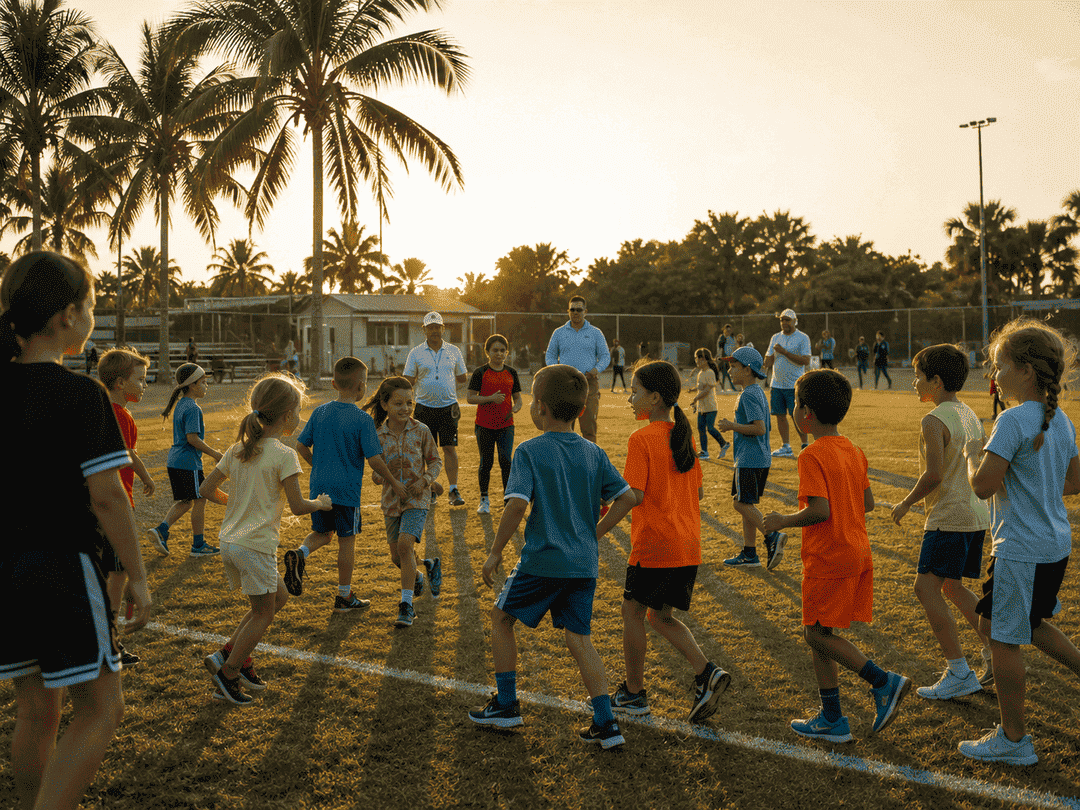
A strong youth sports pipeline is key for a community’s future. In Southwest Florida, it connects local leagues and clubs to schools. This connection is vital for long-term success.
This system does more than teach sports skills. It builds movement skills, encourages activity, and teaches teamwork and discipline. It also strengthens community bonds and supports young athletes’ emotional well-being.
The Building Blocks of a Strong Pipeline
A healthy athletic pipeline has several levels, each with its own role:
- Community Recreation Leagues: These are where kids first learn about sports. They focus on fun and basic rules.
- Travel and Club Teams: These teams offer more competition and advanced coaching. They play year-round.
- Skill Development Clinics: Clinics hosted by high school coaches or experts focus on specific skills.
- School Partnership Programs: Some middle schools partner with high schools for a smooth transition.
Clinics are a great way for kids to try new sports or improve skills. They’re a low-commitment option. For high schools, hosting clinics helps identify talent and build relationships early.
Planning Ahead: Key Signup Windows
Knowing when to sign up is key for parents and volunteers. Missing a window can delay a child’s start by a season.
Registration dates vary by town and league. Here’s a table of typical registration periods in Southwest Florida:
| Season | Sport/Activity Focus | Typical Registration Period |
|---|---|---|
| Spring | Baseball, Softball, Track & Field, Lacrosse | January – Early February |
| Summer | Swimming, Dive Teams, Volleyball Camps, Football Conditioning | April – May |
| Fall | Football, Soccer, Cheerleading, Cross Country | June – Early August |
Being proactive with these dates ensures every child can play. Supporting these programs is strategic. It builds talent, community support, and strengthens Friday night lights for years to come.
Volunteer roles: chain crew, concessions, game ops, photo/video teams
Imagine the excitement of a Friday night football game. Now, picture the friendly faces in the concession stand and the crew on the sidelines. They make it all happen. These community members volunteer their time, making it a fun and social experience.
Everyone can find a role that fits their interests and schedule. Many positions require just a single-game commitment. This makes it easy to get involved.
The Chain Crew: Your Front Row Seat to the Action
Ever wondered who moves the bright orange markers on the sideline? That’s the chain crew. This role offers an unbeatable, up-close view of every play.
You work as part of a small team, managing the down marker and the chains. It’s perfect for someone who loves the strategy of the game. You become an essential part of the game’s official operations. The best part? You’re right there in the energy, contributing directly to the flow of the event.
Concessions Stand: The Social Hub of the Stadium
Operating the concession stand is more than selling snacks. It’s the heart of the game-day social experience. Volunteers here work together in a fast-paced, team-oriented environment.
Tasks are simple and rotate, from taking orders to handling payments. You get to interact with dozens of families and fans, spreading school spirit with every hot dog sold. This role is ideal for people who enjoy chatting and creating a welcoming atmosphere. It’s a classic example of how volunteer work can be both vital and genuinely enjoyable.
Game Operations: The Masters of Logistics
Game ops is the behind-the-scenes engine that keeps events running smoothly. This umbrella covers roles like ticket takers, announcer assistants, scoreboard operators, and crowd guides.
If you’re organized and like seeing a plan come together, this is for you. Volunteers in game ops ensure fans have a seamless experience from parking lot to final whistle. You solve small problems before they become big ones. This critical support allows coaches and athletes to focus entirely on the competition.
For the creatively inclined, joining the media team is a rewarding way to contribute. Photographers and videographers document the season’s highlights, triumphs, and hard work.
Your images and clips are used for school publications, social media, and end-of-year celebrations. You help preserve memories for athletes, families, and the entire community. This role offers great flexibility—you can often set your own shooting schedule. It’s a powerful way to use your skills to support student achievements.
| Volunteer Role | Commitment Flexibility | Primary Duties | Social & Fun Perks |
|---|---|---|---|
| Chain Crew | Single game or full season | Manage down markers and sideline chains | Front-row game view, part of the on-field team |
| Concessions | Single shifts are common | Food prep, sales, customer service | Be the stadium’s social hub, work with a team |
| Game Operations | Event-based scheduling | Ticket taking, scorekeeping, fan assistance | Solve puzzles, see the event run smoothly |
| Photo/Video Team | Highly flexible, project-based | Capture game action and athlete portraits | Creative expression, preserve lasting memories |
Building a culture of recognition is essential. Successful programs celebrate their volunteers with shout-outs, thank-you notes, and small tokens of appreciation. This transforms a task into an honored contribution.
The most effective message is an invitation, not an obligation. When people see that their time is valued and the work is engaging, they are eager to join. Whether you can give one afternoon or every Friday night, there is a role waiting for you. Your involvement directly fuels the spirit and success of our local athletes.
Donation guide: equipment wish lists, sponsor packages
Fundraising is more than just asking for money. It’s about creating a great opportunity for people to invest. This guide shows two key ways to get community support: specific equipment donations and sponsor packages. Learning to ask in a way that shows impact is key.
Equipment wish lists are specific and tangible. They speak to donors in a way that vague requests can’t. For example, “$150 buys a new helmet” or “$500 gets a team set of jerseys.”
This method links the donation to a clear outcome. It answers the donor’s question: “What will my money do?”
Adding real voices makes the ask more personal. A video from an athlete about safer equipment or a coach’s words on the need for new gear makes the request relatable. This turns a financial ask into a shared mission.
Crafting Compelling Sponsor Packages
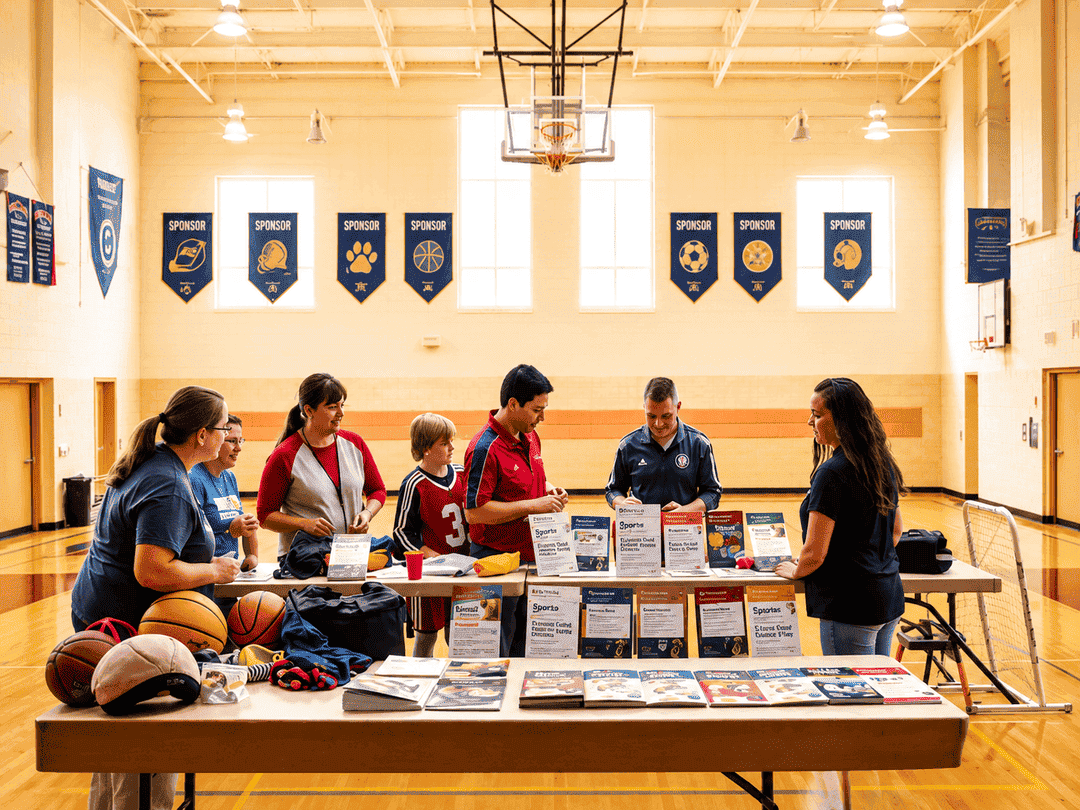
Sponsor packages are different. They offer a deal where money is exchanged for marketing and community goodwill. Businesses and major donors want to be seen as supporting local pride.
Good packages have clear levels of support. Here’s a basic structure:
- Bronze Tier ($250-$500): Logo on team website, thank-you social media post.
- Silver Tier ($500-$1,000): All Bronze benefits plus logo on program banner and PA announcement at home games.
- Gold Tier ($1,000+): All Silver benefits plus featured interview in booster newsletter, and presenting sponsor title for a specific event.
These levels let supporters choose how involved they want to be. The key is to over-deliver on the promised recognition. For more on building these relationships, check out this resource on securing sponsorships for school fundraisers.
The Irresistible Ask: Best Practices
When asking for donations or sponsorships, your approach must be polished. Always explain the “why.” Tell how the funds will help student-athletes.
Use data and visuals to support your ask. Show old equipment next to the new item you want. Share how sponsor funds were used last year. Being transparent builds trust.
Make it easy to donate. Offer many payment options and a clear online portal. Always thank donors publicly. A recognized donor is more likely to give again.
People want to support a winning cause. By showing clear needs, benefits, and impact, you turn goodwill into fuel for your programs.
Calendar: clinics, fundraisers, cleanup days; contact sheet
Keeping community sports going needs a solid plan. An event calendar gives that plan, turning occasional help into steady support. Events like themed tailgates or game nights keep things fun. Plus, regular updates through editorial calendars keep everyone informed.
Your calendar should have a mix of activities. Hold clinics to improve skills, like morning ice drills with Olympic coaches. Organize fundraisers to meet needs, like buying new equipment. Also, plan community days, like park cleanups, to build pride. The aim is to attract many volunteers and donors.
Using tools for sign-ups and updates saves time. This lets organizers focus on making a difference. Look at Southwest Florida’s female athletes for inspiration. Their success shows the power of structured clinics and volunteer work.
Connecting with others is key. Make sure to have a clear contact list for booster clubs and schools. Join in on clinics or cleanup days to help. Your efforts are vital in building a strong sports community.