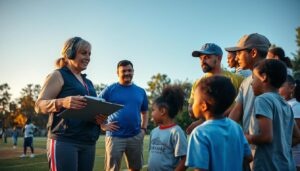
Forget the postcard. Florida sports aren’t just sun, sand, and senior shuffleboard anymore. I’m talking about the real heat wave: a grassroots explosion of junior sports clubs turning this subtropical paradise into an unlikely talent incubator.
Think it’s all beaches? The narrative has shifted. Rinks and diamonds are now central to community identity. Consider hockey—a sport once deemed as probable here as a snowball fight. Its surge, alongside the national spotlight on young softball phenoms, tells a new story.
This isn’t accidental. Championship pro teams like the Panthers and Everblades aren’t mere entertainment. They’re the rocket fuel for a youth sports clubs revolution, providing aspirational blueprints right in the backyard.
This is where dreams get their first set of blades or a fitted glove. It’s the compelling tale of junior athletes being forged under the same sun that fuels the tourism ads. And frankly, it’s a better story.
The Growth of Youth Sports in the Region
A 73% surge in youth hockey participation is more than a number. It’s a cultural shift happening under our Florida sun. USA Hockey reports a nearly three-quarters increase in kids playing hockey in Florida in just ten years. This is not slow growth; it’s a rapid change.
This growth isn’t by chance. The packed local rinks are linked to the Panthers and Lightning’s success. Success breeds more kids wanting to play. Frank Scarpaci Jr., president of the Florida Eels, saw this firsthand. What started as one team has grown into a “multi-tiered development machine.”
The evidence is clear. Hertz Arena’s adult leagues have nearly quadrupled. Youth leagues are packed, and ice time is in high demand. This shows that casual activities are turning into structured youth sports clubs with competitive levels and year-round schedules.
The change is significant. We’re seeing community programs evolve into serious athletic programs. The focus has shifted from fun to focused training. This growth is building the region’s talent pool.
This boom is creating a need for more facilities. It’s a sign of a thriving ecosystem. The demand for ice sheets, fields, and courts is urgent.
| Aspect | A Decade Ago | Today |
|---|---|---|
| Participation Scale | Modest, localized interest groups. | Exponential growth; 73% statewide increase in hockey alone. |
| Program Structure | Informal community programs and seasonal leagues. | Multi-tiered, year-round youth sports clubs with development pathways. |
| Facility Demand | Generally available ice time and field space. | Packed schedules, waiting lists, and a pressing need for new facilities. |
| Primary Cultural Driver | Local recreation and simple love of the game. | Professional team success (Stanley Cups, Kelly Cups) inspiring a generation. |
This growth has turned Southwest Florida into a hub for future stars. The waiting lists are a sign of success. They show the model is working, and the next generation is eager to play.
Introduction to Major Junior Sports Clubs
Think of youth sports trends as the big picture, and top junior clubs as the experts handling the best young talents. They don’t just play games; they turn childhood dreams into real chances. In Southwest Florida, this change is clear in places like the Florida Eels.
The Eels started small but grew into a big deal. They now have teams in different levels, including the top National Collegiate Development Conference (NCDC). It’s not just growing; it’s building a path for local kids to shine on a national stage. This approach is seen in the hockey world and works everywhere.
But these clubs aren’t just for hockey. Look at softball powerhouses like the Colorado Softball Academy or the Corona Angels. They’re not just teams; they’re brands with a mission, a way of doing things, and a year-round focus. They offer top-level competition and coaching, something schools can’t always provide.
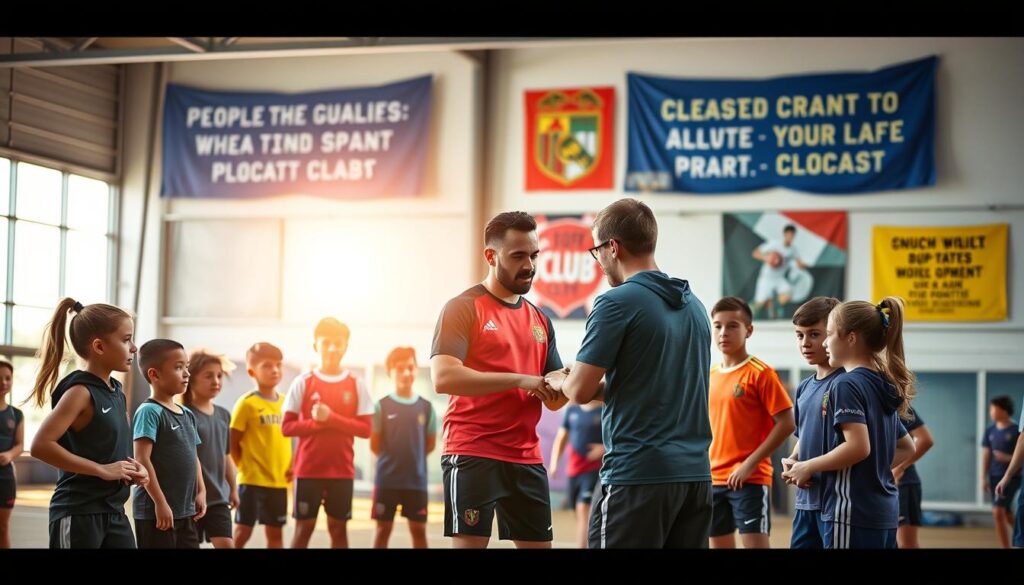
For junior athletes, joining a top club is more than playing a sport. It’s about building a career. These clubs offer a few key things:
- A Structured Curriculum: They focus on skill development in a way that’s right for each age.
- Identity & Belonging: Wearing the club’s logo means pride and teamwork, something missing in some leagues.
- Systematic Coaching: Here, talent meets technique. Coaches focus on growth, not just winning.
- The Pipeline Mentality: Every season and tournament is a step towards bigger goals, like college sports.
Think of these clubs as early entry to a sports university. The field, rink, or diamond is the classroom. Film study and strength training are the homework. For junior athletes in Southwest Florida and beyond, these clubs are key. They help turn promise into proof under the spotlight.
Athlete Success Stories
If you think athlete development is just about drills and scores, meet the four 10U softball phenoms rewriting the playbook with grit and personality. Data points are cold. Earned run averages and batting stats? They tell a fraction of the tale. The real analysis, the human proof of concept, lives in the stories of these junior athletes. Their journeys reveal the alchemy—where innate talent meets relentless drive inside a club structure that cultivates character, not just skill.
Take Harper Calhoon, a pitcher for Aces KC. Her coach—who also happens to be her dad—doesn’t lead with her fastball speed. He highlights a maturity that absorbs feedback like a sponge. Her work ethic is the engine. For a player her age, that’s the differentiator. It’s a quiet, relentless brand of athlete development that builds from the inside out.
Then there’s her teammate, Sydnie Nyberg. Described as “the ultimate player and teammate,” Sydnie’s profile is less about a single stat and more about voltage. She’s the vocal leader who energizes an entire squad. In the ecosystem of a team, that intangible is pure gold. It turns a group of skilled kids into a cohesive unit. That’s a different kind of athlete development—forging leadership alongside a swing.
Now, shift to Gianna “Gia” Juby of Batbusters Romero. She’s an eight-year-old outfielder and pitcher posting a 2.04 ERA while routinely competing against older kids. Her coach’s quote says it all: she has “the ability to shut down other teams’ bats.” Think about that. At an age where focus is a fleeting commodity, she possesses a game-controlling presence. That’s not just training; it’s a competitive mindset being forged in real time.
Lastly, meet Olive Washington of the Corona Angels. A nine-year-old powerhouse already clocking pitches in the 50 MPH club. The scouting note that she swings “with bad intentions” is the kind of line that sticks with you. It speaks to an aggressive, confident approach that can’t be solely taught. It’s identified, nurtured, and unleashed—a key phase in holistic athlete development.
So, what’s the blueprint these stories provide for nurturing junior athletes?
- Maturity Over Metrics: The ability to process coaching and maintain composure is prized as highly as physical stats.
- Leadership as a Skill: Vocal energy and team chemistry are recognized as critical, coachable assets.
- Competitive Mindset: Success isn’t just skill execution; it’s the psychological capacity to dominate a moment.
- Authentic Aggression: Channeling natural confidence and power into effective play is a hallmark of advanced development.
These aren’t just talented kids. They are case studies. Their profiles from national watchlists show us that the Southwest Florida club system isn’t running a factory. It’s building ballplayers—and young people—with a nuanced understanding of what true athlete development requires. The stats get your attention, but the stories win your belief.
Training Programs and Coaching
Junior sports clubs are more than just games. They have advanced training and coaching. This is a science that uses top-notch facilities and a coaching style that impresses even big business leaders.
The Hockey Lab in Bonita Springs is a prime example. It’s not just a rink but a place for top-level training. Owner Brett Schaffer aims to make pro-level training available to all. This sets a new standard for community programs.
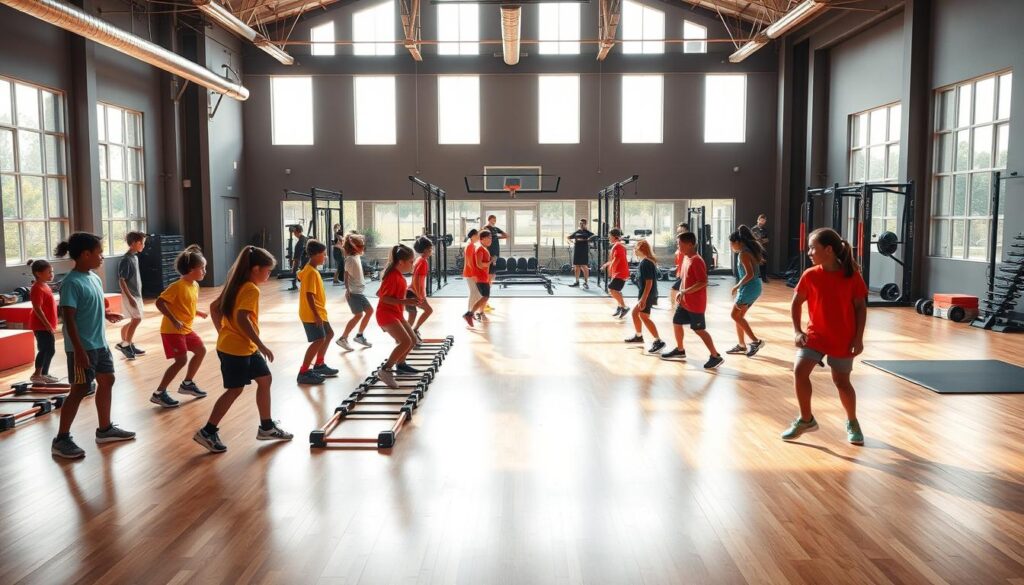
Even pro teams like the Florida Everblades follow this approach. Their Head Coach, Brad Ralph, sees his team as a central hub. He wants to create a pipeline from youth to pro ranks. The goal is to build skills that last a lifetime.
On the softball field, the focus is on mental toughness. Matt Romero of the Batbusters softball club emphasizes confidence and resilience. He praises players like Audrey Padgett for her bold approach and grace under pressure.
Corona Angels coach Mando Garcia also stresses hard work. He talks about the daily lessons and conditioning that players like Alina Villanueva go through. It’s not just practice; it’s a daily commitment to get better.
The secret to success lies in modern community programs. They combine technical skills, mental training, and a culture of constant improvement. This approach turns athleticism into a science. It builds a strong foundation for kids, one step at a time.
Family and Volunteer Involvement
Forget the scoreboard for a second. The most telling statistic in local sports isn’t goals or assists; it’s volunteer hours.
Look around any thriving youth sports clubs complex. You’ll see a vast, unpaid economy in motion. This army doesn’t wear jerseys. It drives minivans, staffs concession stands, and keeps the administrative gears turning.
The scale is staggering. Take Hertz Arena’s hockey operations. They report over 950 adults actively participating in their recreational leagues. That’s a quadruple-digit volunteer battalion in spirit.
Why do they do it? Player Karen Herman nails it: “Hockey is in your blood, you just can’t stop.” This isn’t a hobby. It’s an identity.
That passion creates a self-perpetuating social engine. Parents who play or played become the ultimate advocates. They’re fundraisers, carpool coordinators, and equipment managers. Carpool coordination, frankly, is an Olympic sport.
This cycle spans generations. Consider 68-year-old rec-leaguer Scott Redfern. His presence on the ice is a walking testament. These community programs aren’t just for kids. They serve all ages, binding families together through shared activity.
So, what does this volunteer economy actually look like on the ground? It’s a multi-role operation that keeps the entire club ecosystem alive and competitive.
| Role | Primary Contribution | Impact on Club Ecosystem |
|---|---|---|
| The Parent-Volunteer | Logistics, fundraising, game-day operations, coaching support. | Reduces operational costs, fosters a family-centric culture, directly links the club to its athlete base. |
| The Rec-League Adult | Ongoing financial support via league fees, serves as living proof of the sport’s lifelong appeal. | Sustains facility revenue, provides a visible pathway for youth, strengthens the adult fan/mentor network. |
| The General Community Volunteer | Specialized skills (marketing, IT, event planning), board membership, historical knowledge. | Brings professional-grade management, ensures long-term stability and strategic growth beyond day-to-day sports. |
The demand this system creates is palpable. When you have hundreds of adults and their kids all invested, you need space. The community isn’t just asking for more ice time. It’s begging for more rinks.
This reveals the core truth. Successful youth sports clubs are the heart of broader community programs. They become the social anchor for families. The club transforms into a village. And that village, powered by its intergenerational volunteers, is what truly raises the athlete.
Pathways to High School and College Athletics
In the world of youth sports, junior clubs are the first steps towards high school or college teams. It’s not just for fun. It’s a serious athlete development plan where every game and stat matters.
Hockey is a great example. Starting in a local league is just the beginning. Moving up to a junior team like the Florida Eels’ NCDC squad is the big move. This is where NCAA scouts take notice, turning a talented kid into a prospect with a clear path.
Coaches’ words reveal a lot. When Coach Garcia talks about Olive Washington, it’s not just about her swing. He says, “Class of 2033, keep her in sight.” This is planning for the future, not just next week.
The strategy for serious junior athletes changes a lot. They focus on more than just basic skills. They work on exposure, competition metrics, and the “eye test” that catches a recruiter’s attention.
These clubs act like personal branding agencies. They build the athlete’s competitive profile, putting them in showcases like auditions. The goal is to get them noticed by high school and college coaches.
In Southwest Florida, the path is clear. It’s not just about playing well. It’s about understanding the system. It’s about knowing that a .450 batting average in a national tournament is more valuable than a .500 average in a local league.
The athlete development here is about more than just sports skills. It’s about learning to navigate a system. For ambitious junior athletes and their families, this knowledge is key.
Community Benefits
Forget the scoreboard for a moment; the real winning play in Southwest Florida’s sports surge isn’t tallied in points, but in civic vitality. Everblades GM Brad Ralph said, “The excitement has been not only transforming hockey, but great for the community.” This isn’t just sports PR. It’s an economic and social diagnosis.
Successful youth sports clubs act as identity engines. They give a town something to rally around beyond postcards and sunset specials. “Hockey Town” isn’t just a marketing slogan; it’s a shared sense of purpose. Packed facilities on a Tuesday night mean more than just loud cheers. They translate to local spending on gear, pre-game meals, and gas—cash flow that sticks around.
But the ledger goes deeper than dollars. These community programs are masterclasses in social infrastructure. They provide structure, reducing idle time and replacing it with a curriculum in teamwork, discipline, and resilience. These are soft skills with hard currency in the real world. Where else do kids learn to lose gracefully, win humbly, and rely on someone beside themselves?
The rink, the field, the court—they become social nuclei. Friendships are forged across school district lines and neighborhood boundaries. In a region often perceived as a retirement paradise, thriving junior sports inject a necessary, vibrant, youthful energy. It’s the sound of future planning, not just reminiscing.
The ultimate benefit? A renewed sense of forward momentum. It’s civic pride, measured in goals scored and games won. The investment in these clubs pays a dividend that doesn’t show up on a balance sheet, but is felt in the spirit of the place. That’s a legacy worth building, one practice at a time.
Get Involved Resources
So, where does one start? Getting into Southwest Florida’s sports scene is easy. The setup is ready for you. The ice is ready, the fields are set.
Your journey begins at the heart of this movement. Check out Hertz Arena’s community rinks or the Fort Myers Skatium for hockey. For baseball, look for travel team tryouts. The Hockey Lab offers clinics to learn the game.
These clubs are more than just teams. They’re networks looking for new members. Contact the Florida Eels to find your place in junior hockey. They need players, volunteers, coaches, and fans.
The sports scene here is changing fast. You can watch from the stands or join in. The game is waiting for you.